

7 Things Out-of-Towners Get Wrong About Buying a Mountain Home in Brevard
Nestled in the lush folds of the Blue Ridge Mountains, Brevard, North Carolina, has a way of getting under your skin—in the best possible way. Visitors fall in love with the waterfalls, the music scene, and the easy-going mountain lifestyle, then head home and start scrolling listings. Yet the reality of buying here is more nuanced than many out-of-towners expect. Misunderstandings about the market, the terrain, and even the lifestyle can lead to frustration—or costly mistakes—if you're not prepared.
With a strong background in sales and marketing, local agent Jake Tibstra at Looking Glass Realty spends a lot of time helping buyers separate myth from reality. By listening closely to what clients want and then grounding that vision in on-the-ground knowledge, he helps people align their expectations with what Brevard can actually offer. Whether you're picturing a cozy cabin for weekend escapes or a long-term relocation to the mountains, it pays to understand the local dynamics before you fall in love with a listing photo.
Below are seven of the most common things non-locals get wrong about buying a mountain home in Brevard—along with what you should know instead. If you're serious about making a smart purchase, these insights can save you time, stress, and money.
1. "A View Is Just a View"
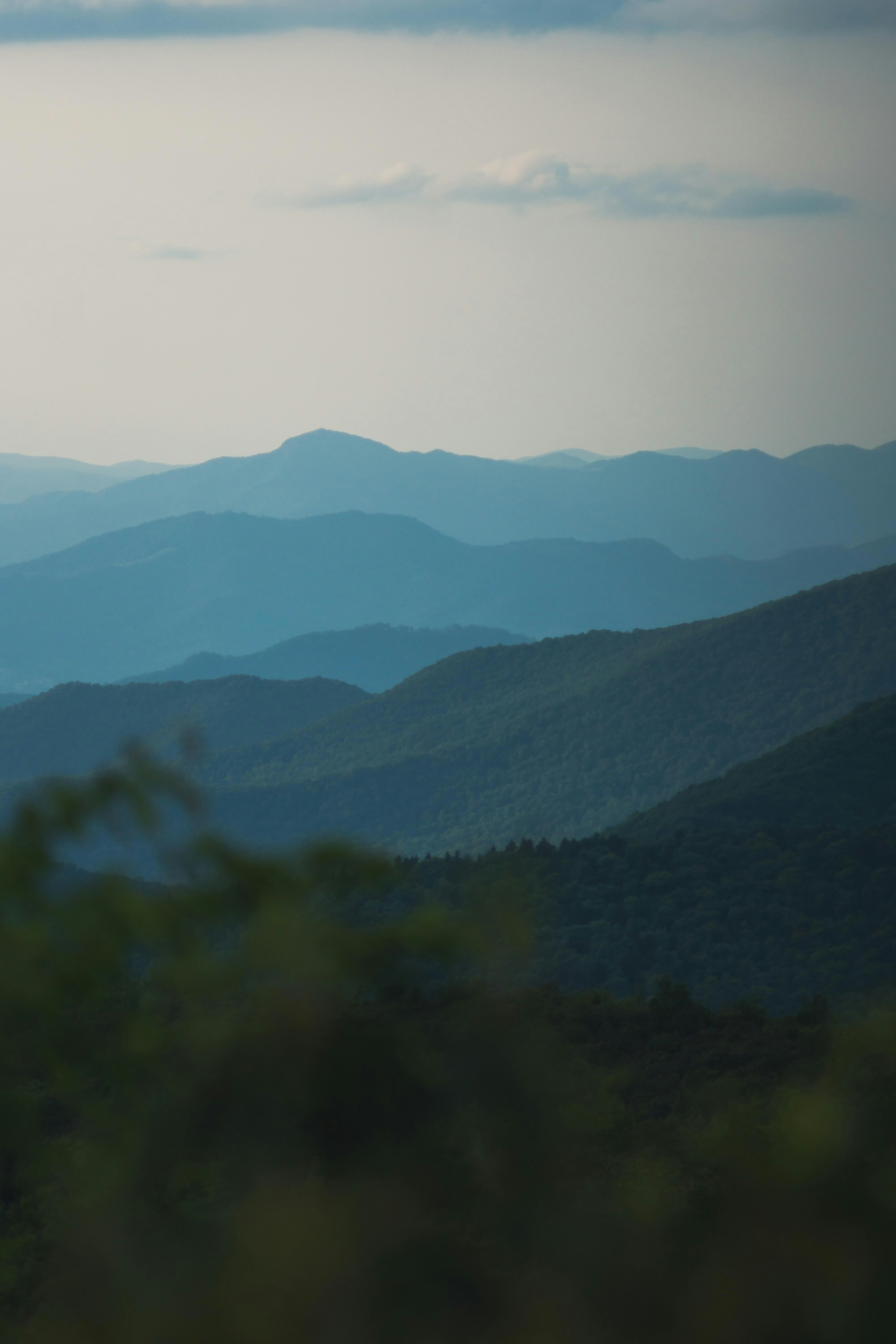
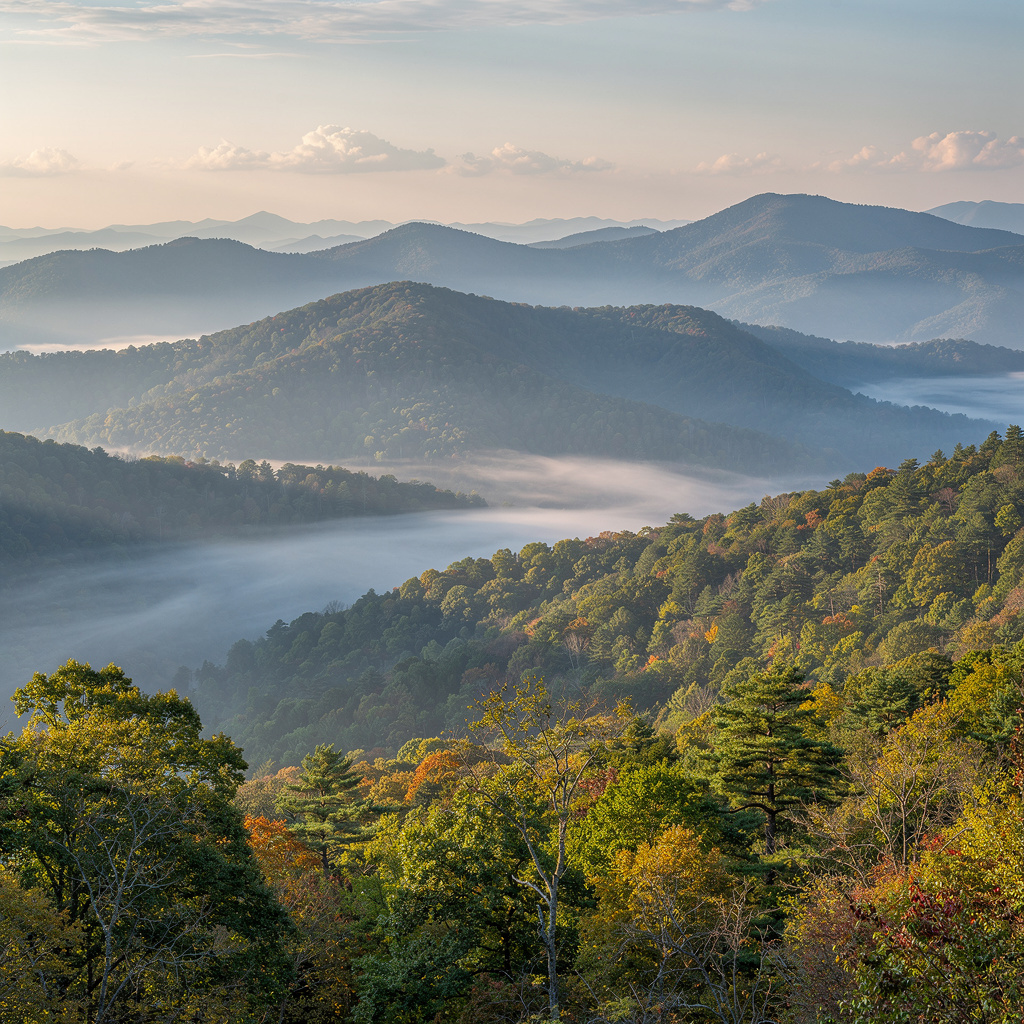
From a distance, all mountain views can look equally breathtaking in the photos. On the ground, though, there's a huge difference between a seasonal tree-filtered view, a peek-a-boo glimpse of a ridge line, and a full-on, long-range panorama you'll still be talking about ten years from now. Out-of-towners often assume that as long as they see some mountains in the background, the value is the same. It's not. In Brevard, the quality, orientation, and permanence of a view can add a serious premium to a property's price—and rightly so.
You also have to think about how that view will look in different seasons and at different times of day. A western-facing deck might deliver those unforgettable sunset skies but also bring intense afternoon heat in summer. A north-facing view could be cooler and more comfortable yet feel moodier in winter. Local agents who spend their lives in these hills, like Jake, understand which ridgelines hold snow longer, which valleys catch fog, and which orientations will give you the mix of light and shade that fits your lifestyle.
Another factor many buyers overlook is view control. Trees grow, neighbors build, and what feels open and expansive today may be much more enclosed in five or ten years without proactive planning and easements. Understanding view shed protections, trimming restrictions, and homeowners association rules is a key part of evaluating whether that postcard scene is likely to last.
2. Underestimating Mountain Roads and Access
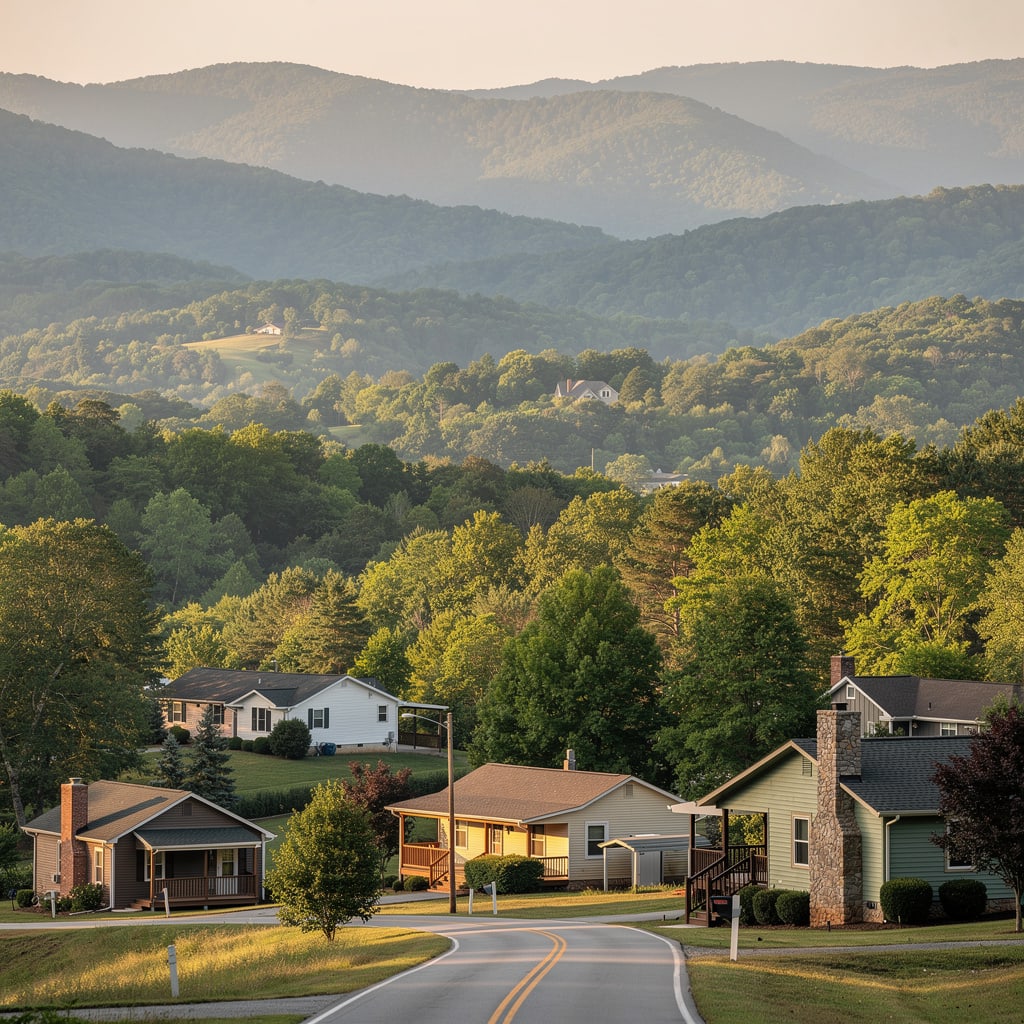
It's easy to look at a listing that's "only" eight miles from downtown Brevard and assume you're a quick hop from galleries, breweries, and the farmers market. In reality, those eight miles might involve twisting gravel roads, steep switchbacks, or a long climb that feels very different at night or in winter weather. Many out-of-towners underestimate how much road conditions shape daily life here—including how often you'll want to visit that mountain home once the novelty wears off.
Consider how comfortable you are driving on narrow mountain roads after dark, in rain, or with occasional ice. Ask yourself whether you'll be okay if a steep driveway means you need an all-wheel-drive vehicle, or if you're planning to rent the home short-term, whether your guests will be. Local knowledge is critical when evaluating access; a seasoned Brevard agent will know which communities maintain their roads well and where winter access can be an issue. Jake routinely helps clients weigh the trade-offs between seclusion and convenience so the dream of privacy doesn't accidentally turn into a logistical headache.
Another piece people miss is the cost of maintaining driveways and private roads. Long gravel drives may need periodic grading and fresh gravel, while shared roads often come with road maintenance agreements or HOA dues. Those ongoing costs aren't glamorous, but they're part of the real cost of ownership in the mountains and should be factored into your budget from the start.
3. Assuming "Off-Grid" Is Easy
The romance of a tucked-away mountain cabin is powerful, and Brevard's national forest surroundings make it feel like off-grid living is everywhere. Yet the reality is that septic systems, wells, internet options, and power reliability are complex topics that differ drastically from home to home. Visitors often assume they'll just "figure it out later," only to discover that certain properties have real limitations or expensive upgrades waiting in the wings.
Before you buy, it's wise to understand how a property gets water, how old the septic system is, whether there's room for future repair fields, and what options exist for reliable high-speed internet—especially if working remotely is part of your plan. A client-first agent in Brevard will walk you through inspection needs, typical system lifespans in the local soils and climate, and common pitfalls that don't always show up in glossy listing descriptions. That guidance can be the difference between a cabin that feels like freedom and one that becomes an unexpected project.
Even the simple idea of "privacy" is different in semi-rural mountain communities. You may have amazing seclusion from your deck, yet share a well or driveway easement with a neighbor. Understanding those shared systems and relationships up front keeps expectations realistic and reduces surprises after closing.
4. Misreading the Brevard Lifestyle
Some buyers arrive expecting a sleepy mountain town where not much happens. Others picture a bustling outdoor resort that feels busy every weekend. The truth lies somewhere in between. Brevard is known as the "Land of Waterfalls," with hundreds of cascades, endless hiking and biking trails, and easy access to Pisgah National Forest and DuPont State Recreational Forest. At the same time, there's a strong arts and music culture, with festivals, live performances, and a lively local community that's here year-round—not just on holidays.
That mix of outdoor adventure and small-town charm is part of what makes the area so compelling, but it also means each neighborhood has its own vibe. Some communities lean toward quiet, full-time residents who know each other well. Others are more vacation-oriented, with a rotating cast of visitors and more flexible short-term rental policies. A listening-focused agent like Jake spends time clarifying whether you're dreaming of endless trail days, front-porch conversations with neighbors, or hosting extended family for summer breaks—and then matches those goals with the right pockets of the Brevard market.
It's also worth considering how often you'll actually use certain amenities. Clubhouses, golf courses, and pools can be a great fit for some buyers, but they come with dues and expectations. For others, proximity to trailheads, fly-fishing spots, and downtown dining may matter far more. Being honest with yourself about your real habits—not your aspirational ones—helps narrow the search to homes and communities that will feel like a true fit years down the line.
5. Over-Simplifying the Short-Term Rental Picture
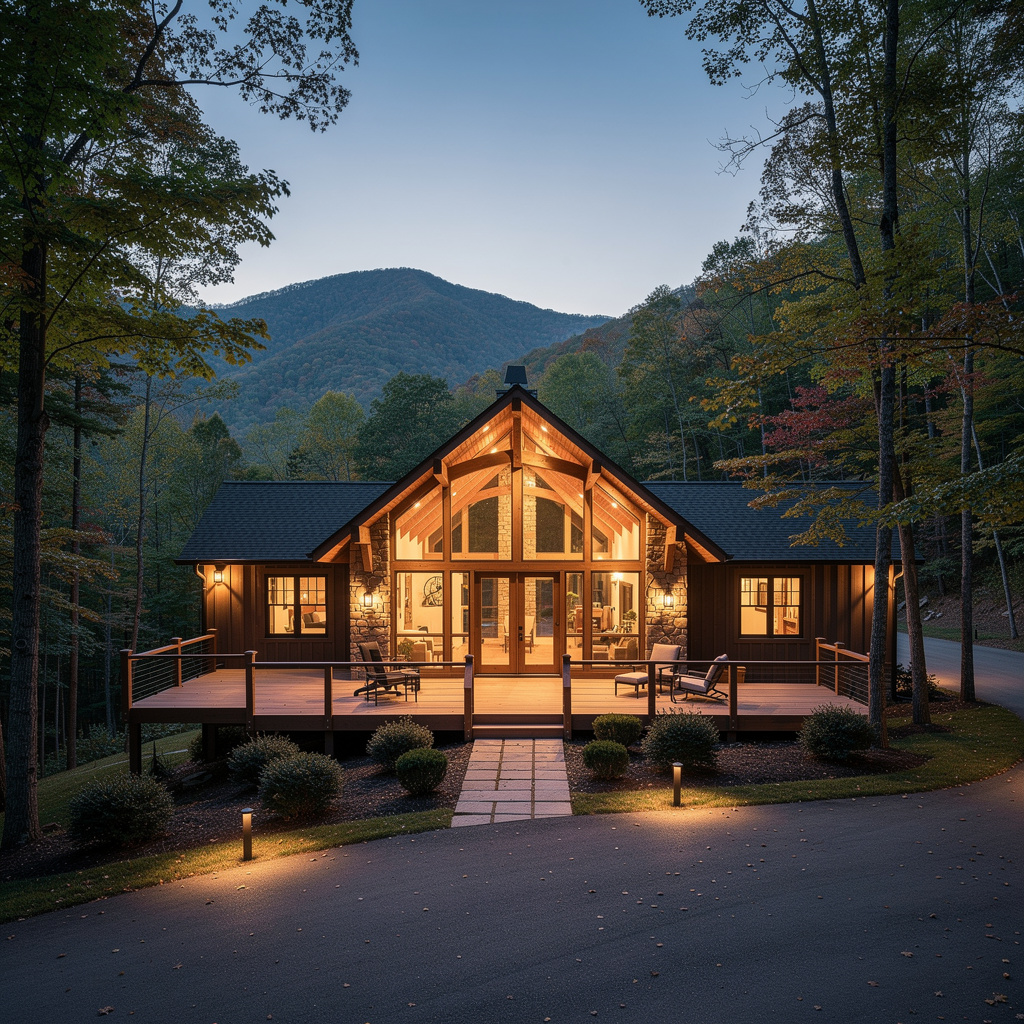
Online platforms have convinced many would-be buyers that any pretty mountain home will effortlessly pay for itself as a vacation rental. That's rarely accurate. In and around Brevard, short-term rental regulations vary by jurisdiction and by community. Some neighborhoods welcome vacation rentals, others restrict them heavily or ban them altogether, and a few have gray areas that require careful interpretation. Ignoring this reality until you're under contract can derail a purchase and leave you with a home that doesn't match your financial plan.
Market dynamics are another layer. The properties that perform best as rentals typically combine strong access, appealing amenities, and the kind of charm that stands out in listing photos. They're also professionally marketed and managed, rather than treated as an afterthought. This is where having an agent with both marketing expertise and local insight becomes invaluable. Jake helps buyers run through realistic occupancy assumptions, seasonality patterns, and expense estimates so they can view rental potential as a helpful bonus—or a serious investment strategy—rather than a wishful afterthought.
Even if you don't plan to rent at all, it's wise to consider future flexibility. Life circumstances can change, and a home that gives you options down the road—within the rules—is often more resilient in different market cycles. A thoughtful, relationship-focused approach to real estate means talking through these scenarios before you commit, not after you've fallen in love with a porch swing and a fireplace.
6. Ignoring Elevation and Microclimate
Another common misconception is that "mountain weather" is the same everywhere around Brevard. In reality, a difference of just a few hundred feet in elevation can mean cooler temperatures, more frequent fog, and different patterns of frost and snow. A shaded hollow might hold moisture longer, while a ridge-top home could be breezier and more exposed to storms. Out-of-town buyers are often surprised to learn how much these microclimates affect gardening possibilities, heating and cooling needs, and even how often they'll want to sit on the deck.
Those nuances matter if you're envisioning fruit trees, vegetable beds, or year-round outdoor dining. They matter for utility bills, too. Higher elevations can mean cooler summers but also chillier winters, and older homes may or may not be well insulated. A local expert who understands how weather plays out across the county can help you choose a spot that matches your comfort level. Jake's approach involves asking how you truly live—do you run hot or cold, do you garden, do you host big outdoor gatherings—and then translating those answers into guidance on elevation, exposure, and home features.
Even small design details interact with climate. Covered porches versus open decks, screened rooms for buggy summer evenings, and the orientation of large windows all shape your daily experience. Thinking through these elements early prevents the disappointment of discovering that your picture-perfect cabin feels too dark in winter or too exposed in July.
7. Treating the Search Like a Quick Weekend Project
Perhaps the biggest mistake of all is assuming you can fly in for a long weekend, tour a few homes, and make a major purchase decision on the spot. While that occasionally works, it often leads to compromises you wouldn't choose with more time and context. A mountain home is not just a transaction; it's a lifestyle decision tied to terrain, community, climate, and long-term goals. Getting it right usually requires a more deliberate, relationship-based approach.
A better strategy is to start conversations early—long before you're ready to write an offer. Share your wish list, your "absolutely nots," and your financial parameters with a local advisor who will truly listen. Agents like Jake at Looking Glass Realty use that information to send targeted options, explain how different neighborhoods compare, and flag the trade-offs you might not see from afar. By the time you do come to town, your tour days can be focused, efficient, and grounded in months of shared understanding.
Follow-through after closing is just as important. New owners benefit from introductions to trusted local contractors, property managers, and service providers, as well as a sense of how to plug into the community beyond the tourist layer. A client-first agent doesn't vanish once the paperwork is done; instead, they remain a resource as you settle into your new mountain rhythm, whether you're here a few weeks a year or moving in full-time.
Bringing Your Brevard Mountain Home Dream Into Focus
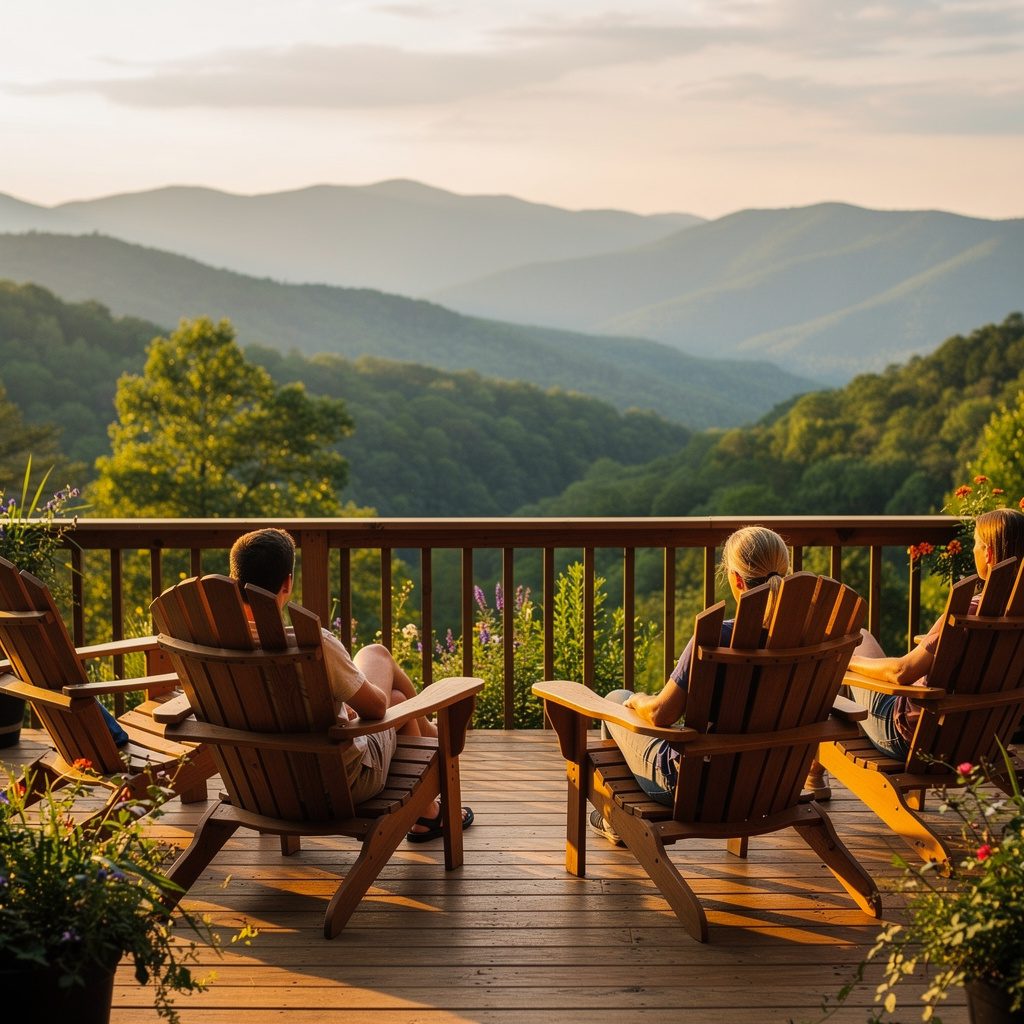
Buying a mountain home in Brevard is an opportunity to reshape how you relax, gather, and explore the outdoors—but only if your expectations line up with the realities of the market and the landscape. Misunderstandings about views, access, systems, rentals, climate, and lifestyle can all be avoided with the right guidance. When you partner with a local professional who takes the time to listen and then applies strategic, marketing-savvy thinking to your search, the process becomes less about guessing and more about making informed, confident choices.
With its blend of waterfalls, trails, music, and community, Brevard rewards buyers who approach it thoughtfully. Take the time to ask questions, explore different elevations and neighborhoods, and think honestly about how you'll use your home. If you do, the end result won't just be a beautiful cabin or house on a hillside—it will be a mountain home that truly fits, season after season, and a decision you feel good about every time you drive up the road and see those blue ridges waiting for you.