

Asheville vs. the Surrounding Towns: 5 Buyer Profiles and Where They Actually End Up Happy
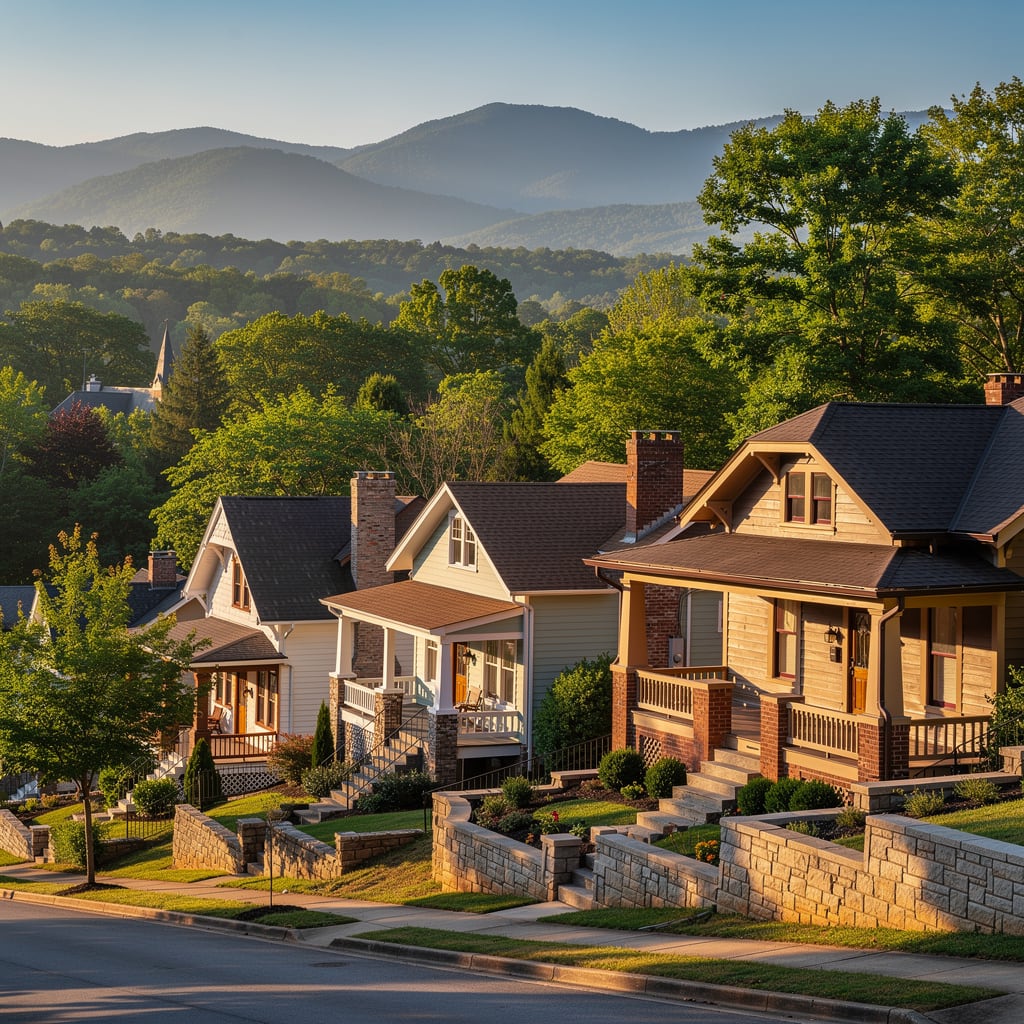
Western North Carolina offers so many incredible places to live that buyers often start with a simple idea—"I want to be near Asheville"—and then quickly discover a web of mountain towns, each with its own personality and price point. It can be hard to tell, at first glance, who really thrives in Asheville itself and who ends up happiest in places like Brevard, Hendersonville, Weaverville, or Black Mountain. By looking at real buyer patterns instead of just glossy brochures, some clear profiles start to emerge.
What follows isn't theory; it's a grounded way to match your lifestyle with a community that actually fits. From remote workers chasing fiber internet and breweries, to retirees looking for quieter mornings and less traffic, each profile tends to "land" in the same few spots. Understanding those patterns can save months of searching and a lot of second-guessing about where you should plant roots in the Blue Ridge.
Think of this as a practical guide that goes beyond "Asheville is cool" and digs into how commute times, walkability, trail access, schools, and price sensitivity quietly shape where people end up. And while Asheville rightly gets the spotlight, the smaller towns around it are often where long-term contentment is found—especially for buyers who want room to breathe without giving up easy access to everything the city offers.
Profile 1: The Culture-Seeking Urbanist
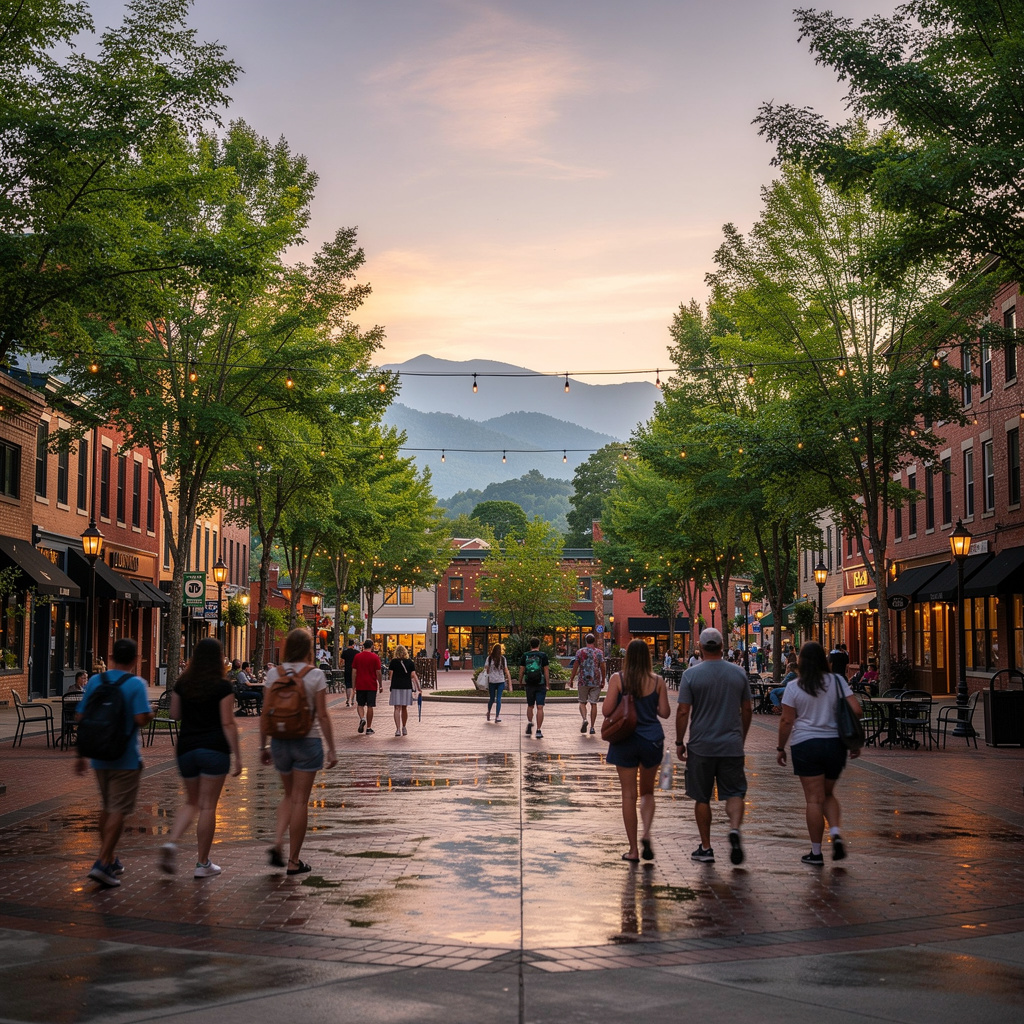
This buyer lives for energy, diversity, and the ability to leave the car parked for days at a time. They want live music on a Wednesday, art openings on a Friday, new restaurants to try without a long drive, and enough density that every walk feels a little different. Work might be fully remote, hybrid, or tied to Asheville's healthcare, education, or hospitality sectors, but the day-to-day rhythm is urban by mountain-town standards.
Where they're happiest, more often than not, is in Asheville proper—especially in neighborhoods that ring the urban core. Areas like West Asheville, North Asheville, and neighborhoods close to downtown offer older architecture, sidewalks, and quick access to nightlife and culture. Condos and townhomes near the city center appeal to those who would rather trade yard space for easy lock-and-leave living and a short stroll to a show or gallery.
The trade-offs are real: higher prices per square foot, more competition for turnkey homes, and less privacy than in the smaller outlying towns. But for buyers whose defining value is walkability and cultural density, those compromises are worth it. A Saturday can easily include a local market, a brewery gathering with friends, and a short drive up the Blue Ridge Parkway—without ever leaving the orbit of the city.
If you recognize yourself in this profile yet still crave a bit of distance, some buyers do branch out to nearby hubs like Weaverville or Black Mountain. Still, they tend to choose places with a lively town center, quick access back into Asheville, and enough year-round events that the streets rarely feel sleepy.
Profile 2: The Trail-Focused Outdoor Purist
Some buyers come to Western North Carolina with a singular focus: they want to spend as much time as possible on trails, rivers, and ridgelines. These folks care more about trailhead proximity and forest access than restaurant lists, and their ideal afternoon might be a long mountain bike ride followed by a quiet evening on the porch. For them, "amenities" often means a great gear shop, a trusted mechanic, and a community that understands muddy trucks and early bedtimes.
Those priorities frequently lead them away from Asheville's core and into smaller, adventure-centric towns. Brevard, North Carolina, USA is a standout example. Borders of Pisgah National Forest, DuPont State Recreational Forest, and Gorges State Park converge in this area, creating what feels like an open-air playground for hiking, mountain biking, fly fishing, gravel riding, and waterfall exploring. Instead of fighting city traffic to get to the trail, many residents in and around Brevard can be at a trailhead in 15–20 minutes or less.
Compared with Asheville, you'll find a different pace here: fewer high-rise buildings, more starry nights, and a community built around outdoor events, gear swaps, and endurance races. There are still local eateries, breweries, and music, but they're woven into an everyday life that orbits the forests and rivers. It's the kind of place where you see muddy bikes in truck beds all over town and run into the same friendly faces at early-morning coffee stops before a big ride.
Buyers drawn to this lifestyle often work remotely, consult, or commute occasionally to Asheville or Hendersonville. They tend to prioritize a garage or gear space, easy parking for trucks or camper vans, and homes that can handle wet dogs, muddy boots, and frequent gear washing. For clients like this, Brevard and its surrounding countryside consistently rise to the top of the list of happy endings—and it's exactly the type of buyer that local-focused agents like Jake Tibstra with Looking Glass Realty work with every day.
Profile 3: The Commuting Professional Family
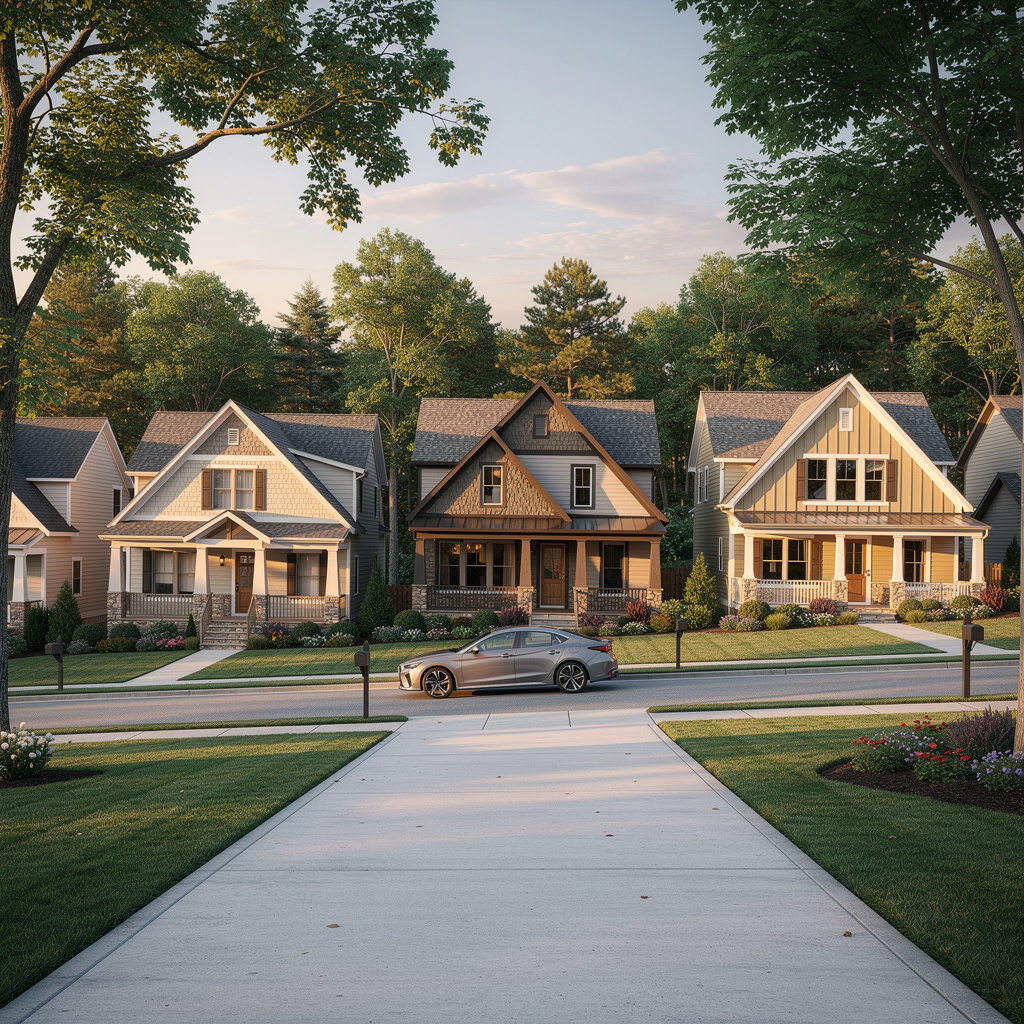
Not every buyer moving to the mountains is fully remote. Many are physicians, educators, small-business owners, or service professionals who need regular access to Asheville's hospitals, universities, and commercial centers. At the same time, they crave a quieter residential feel, room for kids and pets, and schools and sports fields that are easy to reach after work. For this group, acceptance that "I will be driving" is built in—but they want the drive to be predictable and not too long.
These families often gravitate to surrounding towns like Hendersonville or Arden, which offer established neighborhoods, good access to major highways, and a more traditional suburban layout than you might find in Asheville's older, quirkier enclaves. Hendersonville in particular offers a strong sense of community, a charming historic core, and a broad mix of housing—from in-town bungalows to larger homes in planned neighborhoods—often at a lower price per square foot than comparable homes in Asheville.
The daily rhythm here looks different: morning carpool lines, youth sports in the evening, weekend excursions up toward the Blue Ridge Parkway or over to Brevard for waterfalls, and an occasional special night out in Asheville for a performance or anniversary dinner. Because these towns sit strategically along transportation corridors, the commute to Asheville's job hubs tends to be manageable while preserving a more residential, family-oriented lifestyle at home.
For buyers with kids, school districts, playgrounds, and parks matter as much as breweries or music venues. When we map out what "a typical Tuesday" looks like for these families—work schedule, school schedule, after-school activities—it becomes clear why many of them end up south or southeast of Asheville, where the trade-off between commute and neighborhood stability feels just right.
Profile 4: The Low-Maintenance Retiree or Empty Nester
Another common group of buyers includes retirees and empty nesters who have chosen Western North Carolina for its four-season climate, robust healthcare, and endless opportunities to enjoy the outdoors at their own pace. They may love visiting downtown Asheville but often don't need to be in the middle of it every day. What they want instead is a comfortable, low-maintenance home, a sense of community, and easy drives to medical care, grocery stores, and cultural events.
These buyers are surprisingly flexible geographically but very focused on lifestyle details. Some are drawn to smaller, artsy mountain towns like Black Mountain or Waynesville, each with a walkable core, mountain views, and a schedule full of festivals and events. Others prefer slightly warmer microclimates or gentler terrain, nudging them toward communities south of Asheville or closer to Brevard, where winters feel a touch milder and ice on the driveway is less of an issue.
Home preferences typically lean toward single-level living, or at least a primary suite on the main floor, with thoughtful floor plans that can host visiting family without feeling oversized to maintain. Smaller yards, HOA-managed landscaping, and lock-and-leave neighborhoods hold strong appeal, especially for retirees who plan to travel or split time between multiple homes. The joy comes in long morning walks, casual gatherings with neighbors, volunteer work, and easy day trips to explore waterfalls, galleries, and concerts.
Advising this group is less about finding the hottest "up-and-coming" neighborhood and more about aligning long-term comfort with access. Drive times to hospitals, winter driving patterns, and the feel of a community over the full calendar year become key talking points. Asheville remains an anchor for culture and care, but the surrounding towns often provide the day-to-day ease that makes this next chapter feel sustainable and enjoyable.
Profile 5: The Creative/Entrepreneur With a Hybrid Life
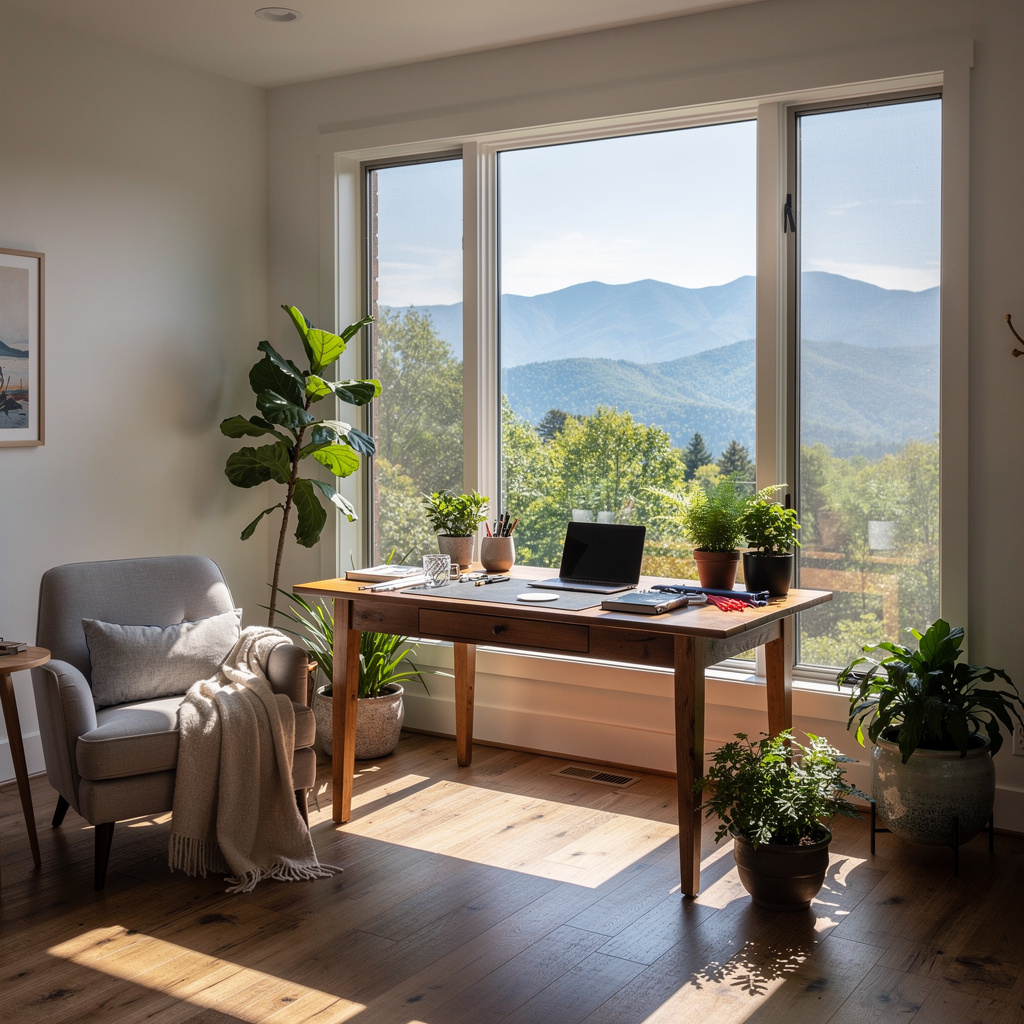
One of the most fascinating buyer types in this region is the creative or entrepreneur with a hybrid lifestyle. They might be artists, designers, small manufacturing owners, guides, or consultants. Income can be partly online, partly local. They want both inspiration and practicality: enough space for a studio or workshop, decent internet, and a community that values originality instead of cookie-cutter conformity.
This group scatters in smart ways across Asheville and the surrounding towns. Some choose edgy, in-town neighborhoods in Asheville where they can network, collaborate, and be around other makers. Others head to places like Brevard, where the slower pace and natural surroundings feed the creative well, while still offering a steady flow of visitors and locals who love art, handcrafted goods, and guided experiences. For them, a detached garage that can become a workshop may be more important than a formal dining room.
Because their work and life are so intertwined, the home search often starts with questions a traditional checklist might skip: Where will you store inventory? Do you need a quiet space for deep work or a flexible space to host clients? How important is it to be near a local co-working hub, gallery, or community gathering space? When those answers are clear, it's easier to see whether Asheville itself or a nearby town better supports their vision.
Many of these buyers ultimately land in pockets that combine character housing stock with realistic pricing and enough yard or outbuilding potential to support their work. West Asheville, parts of North Asheville, as well as areas in and around Brevard have all become magnets for this profile. They tend to be happiest where they feel free to experiment—whether that's with garden plots, new business concepts, or simply how they design everyday life in the mountains.
How to Decide Where You Belong
Looking at these five profiles side by side, a pattern emerges: "Asheville vs. the surrounding towns" isn't a battle so much as a matching game between personality and place. The culture-focused urbanist usually thrives in the city or its close-in neighborhoods. The trail purist lights up in Brevard and other adventure-centric towns. Commuting families often split the difference in places like Hendersonville or Arden. Retirees and empty nesters find balance in quieter communities with solid healthcare access. Creatives and entrepreneurs blend the two worlds, choosing spots with both inspiration and practical workspaces.
Where you ultimately end up happiest depends less on what looks good in a listing and more on how your days actually unfold—where you drive, who you see, what you do when you close the laptop or step away from work. That's why working with someone who understands these subtle lifestyle rhythms, not just zip codes, makes such a difference. In markets like Brevard, local specialists such as Jake Tibstra at Looking Glass Realty bring a sales-and-marketing mindset to this process, helping you think strategically about where your personality, budget, and long-term goals intersect.
As you explore Asheville and its neighboring towns, pay attention to how each place makes you feel at different times of the day. Walk the streets in the morning and again after dinner. Drive the routes you'd actually commute. Visit trailheads, grocery stores, and community events. When you do, you'll start to recognize yourself in one of these profiles—or a blend of a few—and the right corner of the mountains will begin to stand out.
In the end, the goal isn't simply to own a home in Western North Carolina; it's to end up in a community where you wake up, look around, and quietly think, "Yes. This is exactly where I was meant to land."