

Living Between Waterfalls and Work: A Practical Relocation Guide to Pisgah Forest
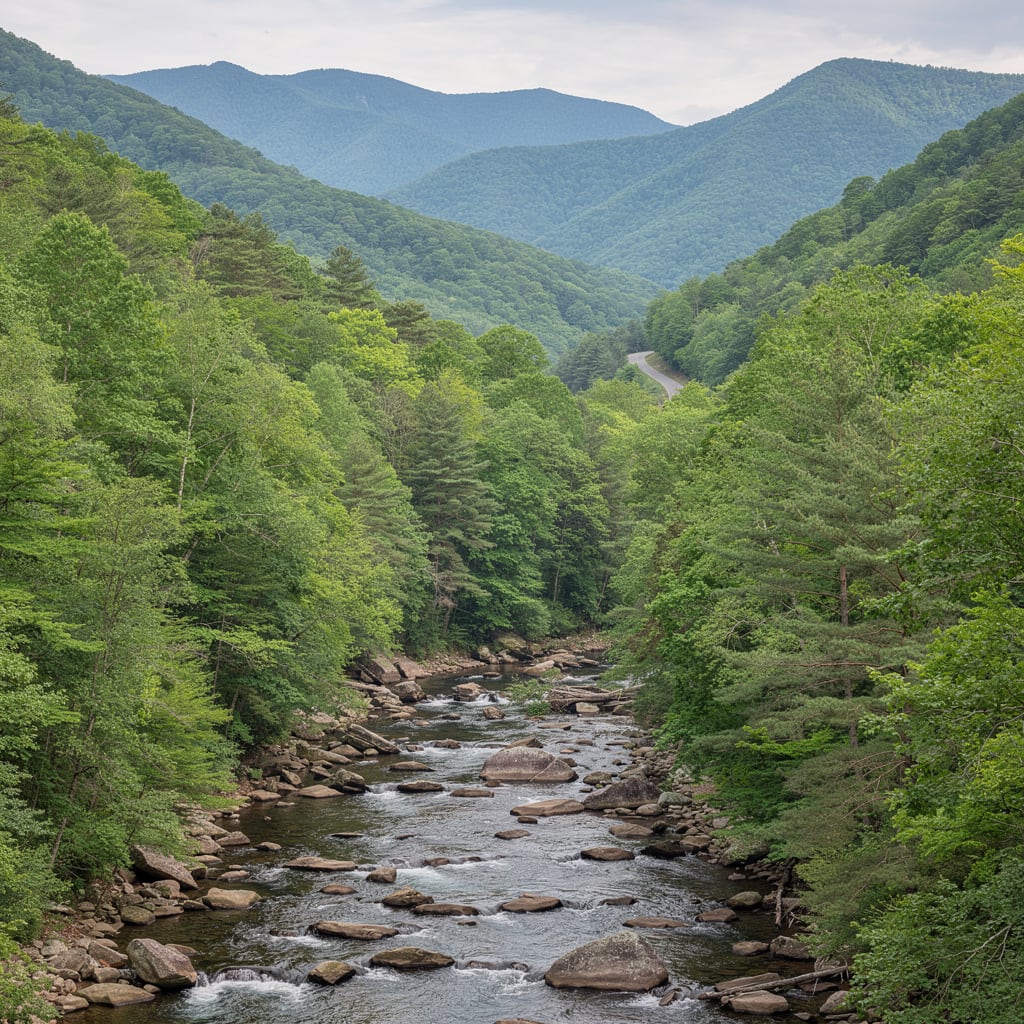
Nestled on the edge of Pisgah National Forest and just minutes from Brevard, Pisgah Forest, North Carolina, offers a rare blend of everyday convenience and wild, misty-morning magic. This is the kind of place where your commute might trace a scenic river, and your post-work ritual could be a quick hike to a waterfall instead of a crowded gym. For many newcomers, the question isn't whether they should move here, but how to make it work in real life—jobs, schools, housing, and all the details in between.
This guide focuses on the practical side of relocating while keeping the lifestyle that draws people here firmly in view. From understanding the local housing market and commute patterns to choosing a neighborhood that fits your routine, you'll find straightforward guidance to help you decide whether life between waterfalls and work is right for you. Along the way, you'll also get a sense of what daily life really feels like in this corner of western North Carolina.
With the help of local real estate professionals who know Brevard and Pisgah Forest from the ground up, you can move beyond daydreams and start mapping out a realistic plan. Whether you're transitioning from a big city, downsizing, or looking for a flexible remote-work base, the key is balancing your lifestyle goals with smart decisions about location, budget, and long-term priorities.
Balancing Nature, Work, and Everyday Convenience
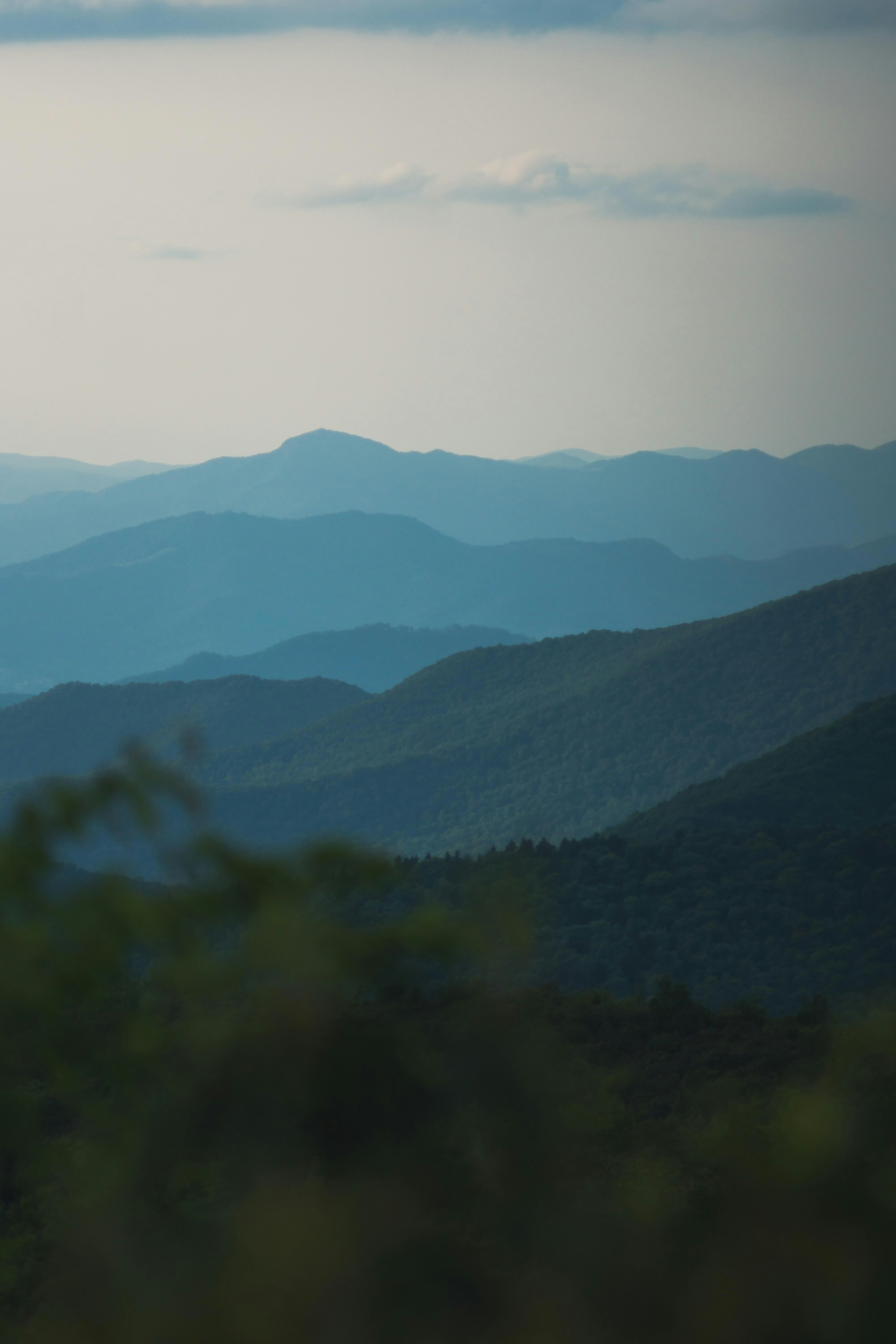
Relocating to this area usually starts with a vision: early-morning trail runs, weekend waterfall hikes, and evenings on the porch as the sky softens over the Blue Ridge Mountains. That vision is absolutely achievable in Pisgah Forest, but it's important to pair it with an honest look at how you work, shop, and get around. The community sits just outside Brevard, so you'll feel close to town while still being surrounded by woods, creeks, and ridgelines.
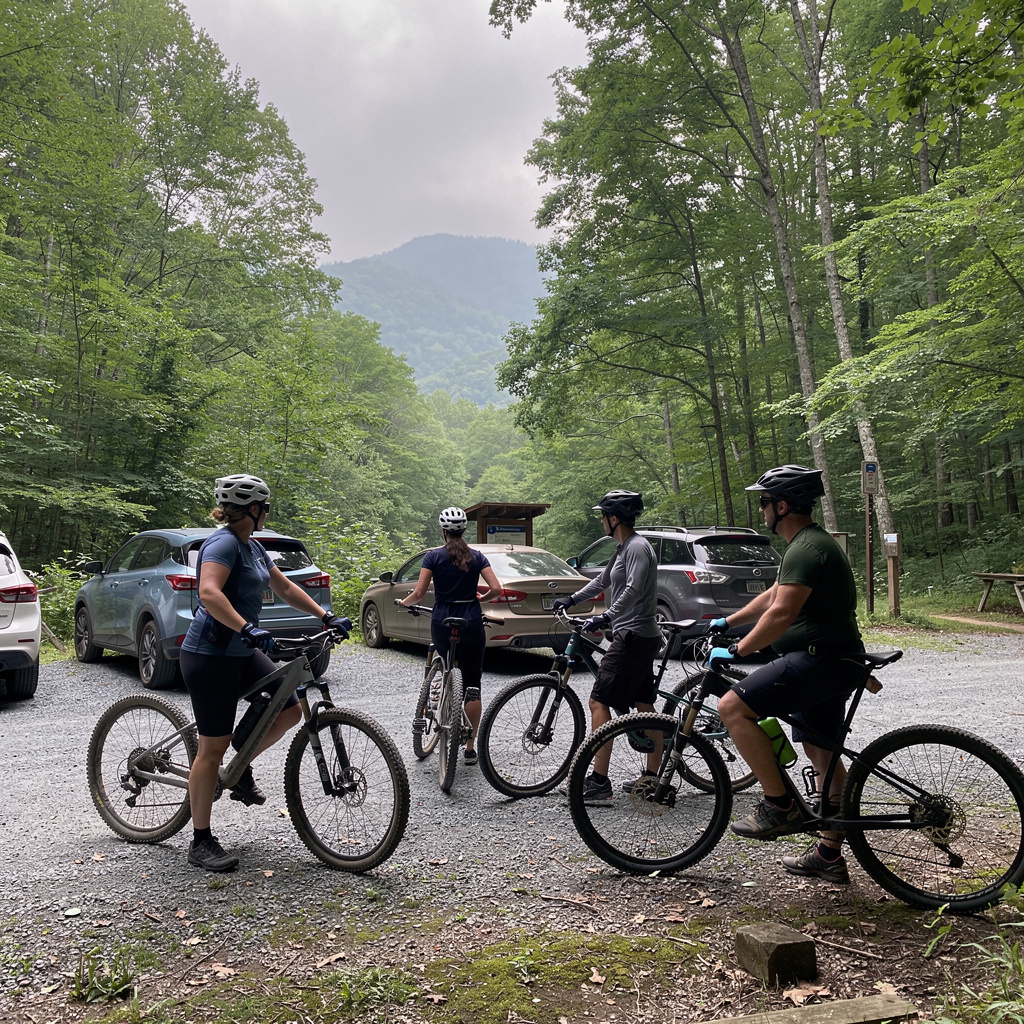
Daily routines tend to follow the seasons. In cooler months, residents might schedule work calls between crisp lunchtime walks or quick scenic drives through Pisgah National Forest. When the days grow longer, many people head straight from work to trailheads, rivers, and bike paths. Mountain biking, fly fishing, trail running, and scenic drives along the Blue Ridge Parkway become normal parts of the week rather than special-occasion activities.
That said, life here isn't a permanent vacation. Reliable internet access, particularly for remote workers, is a major consideration. Rural roads, while beautiful, can mean slightly longer drives for groceries or appointments than you may be used to in a dense city neighborhood. The upside is that traffic is generally light compared to major metro areas, and the drive itself often becomes a welcome transition between work and home as you pass forests, farms, and mist-covered hills.
Many new residents find that the slower pace recalibrates their expectations of "busy." Instead of measuring time by how close they are to a downtown high-rise, they begin to prioritize proximity to trailheads, river access, and community spaces in Brevard. Over time, the rhythm of the place—farmers markets, local events, seasonal festivals, and spontaneous meetups at outdoor gathering spots—takes the lead, and work slots more naturally into that flow.
Housing, Neighborhoods, and the Local Market
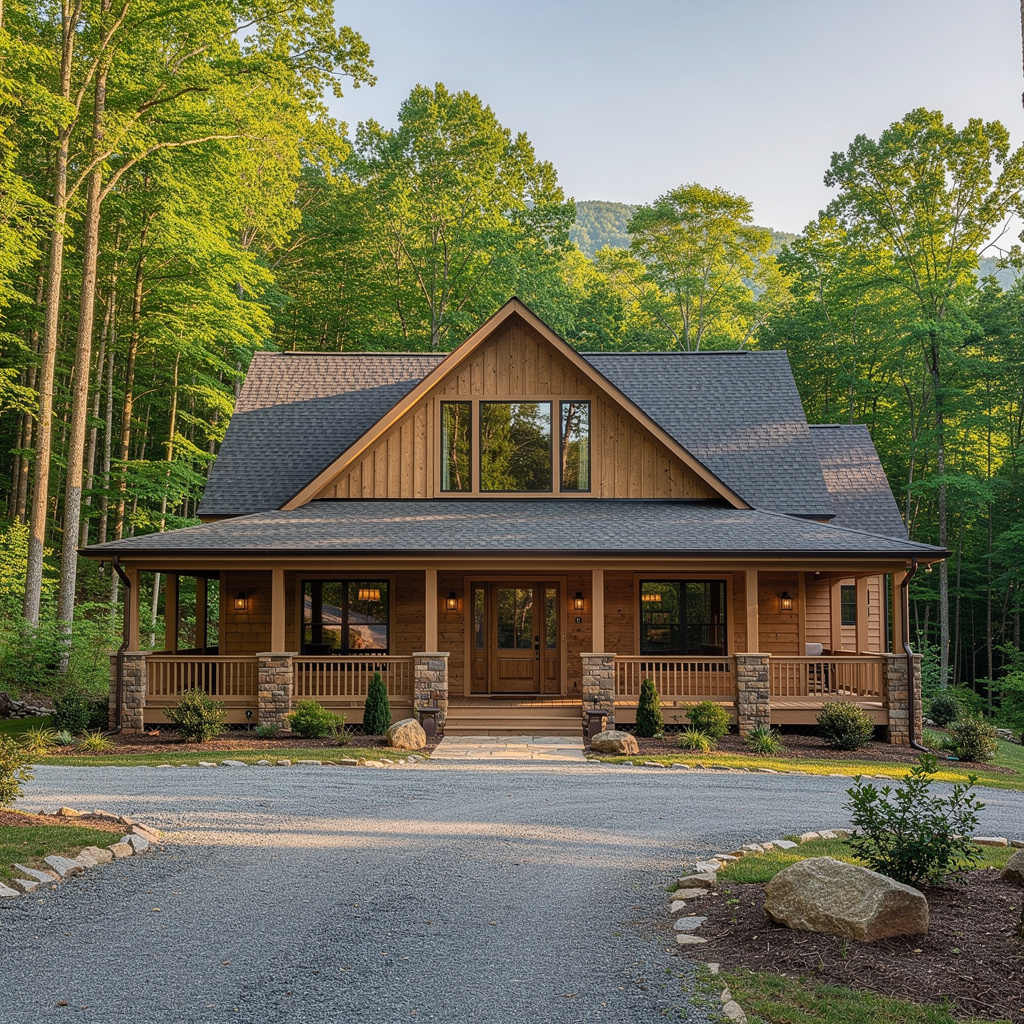
For anyone considering a move, understanding the real estate landscape around Pisgah Forest and Brevard is crucial. This is a market where demand is heavily influenced by lifestyle appeal: proximity to Pisgah National Forest, access to trails and rivers, and a desire for scenic views all play a role in pricing. Some buyers are seeking cozy cabins tucked into the woods, while others prefer updated homes in established neighborhoods with easy access to town.
Inventory can be tight, especially for properties that check multiple boxes—views, privacy, and convenience. That's where a strategic approach matters. A background in sales and marketing, like the one that agent Jake Tibstra brings to his work with Looking Glass Realty, can be a real advantage. By understanding what makes a property stand out and which features local buyers value most, he helps clients position themselves for success, whether they're buying or eventually planning to sell.
Budget planning should take into account not just the purchase price but also ongoing costs like property taxes, utilities (which can vary with elevation and home size), and maintenance for mountain properties. Driveways, wells, septic systems, and wooded lots all come with unique considerations. For some buyers, a lower-maintenance home closer to Brevard's core makes more sense than a more remote cabin higher in the hills.
When evaluating neighborhoods, think in terms of how you live now and how you hope to live in five to ten years. Are you picturing a home with space for gear—a garage for bikes and kayaks, a mudroom for hiking boots and wet dogs? Do you value being within a short drive of schools and services, or is a more secluded setting your top priority? Local insight from an agent who regularly works in the Brevard and Pisgah Forest market can help you narrow your search without sacrificing what first drew you here.
Commuting, Remote Work, and Everyday Logistics
From a practical standpoint, the relationship between Pisgah Forest and Brevard is one of the biggest advantages for newcomers. You're close enough to town to reach grocery stores, services, and schools with relative ease, yet far enough into the foothills to feel the presence of the forest in your daily life. Most local commutes are shorter and more scenic than those in larger cities, which can offset the need to drive more frequently for errands.
For remote workers, reliable connectivity is often the deciding factor. Before you fall in love with a listing, confirm internet options and speeds at that specific property. Some areas have strong service and are well-suited for video calls and data-heavy work, while more rural spots may require creative solutions or patience as local infrastructure evolves. Many residents blend home offices with occasional days working from shared spaces or quiet corners in Brevard's community hubs.
Logistics like healthcare, shopping, and services typically route through Brevard and neighboring communities. The town offers essential amenities, and Asheville, North Carolina, USA, is a reasonable drive for specialized care, larger shopping trips, or flights. For families, mapping out drive times to schools, extracurriculars, and favorite recreation areas can paint a clear picture of what afternoons and weekends will actually look like.
When considering whether the trade-off is worth it, think about your tolerance for longer but lower-stress drives versus short, congested urban commutes. Many people find they're willing to spend a bit more time on the road if it means never sitting in stop-and-go traffic and having a waterfall or forest trail waiting at the end of the day. The key is to test those routes yourself—ideally at the times you'd normally be traveling—during a scouting visit.
Schools, Community, and Daily Life Rhythm
Families moving to Pisgah Forest often want more than beautiful scenery—they're looking for a supportive community and solid educational options. The broader Brevard area offers public schools, and families may also explore regional private or charter choices depending on their needs. Touring schools, talking with parents, and attending local events during a visit can offer valuable perspective that online research alone can't match.
Community life here tends to be centered around shared interests: the outdoors, music, local food, and seasonal celebrations. Instead of dense nightlife districts, you'll find gatherings in parks, small venues, breweries, and community spaces where it's easy to recognize familiar faces. Many newcomers appreciate how quickly they start running into neighbors on trails, at markets, or in town, gradually building a network of friends without the anonymity of a large city.
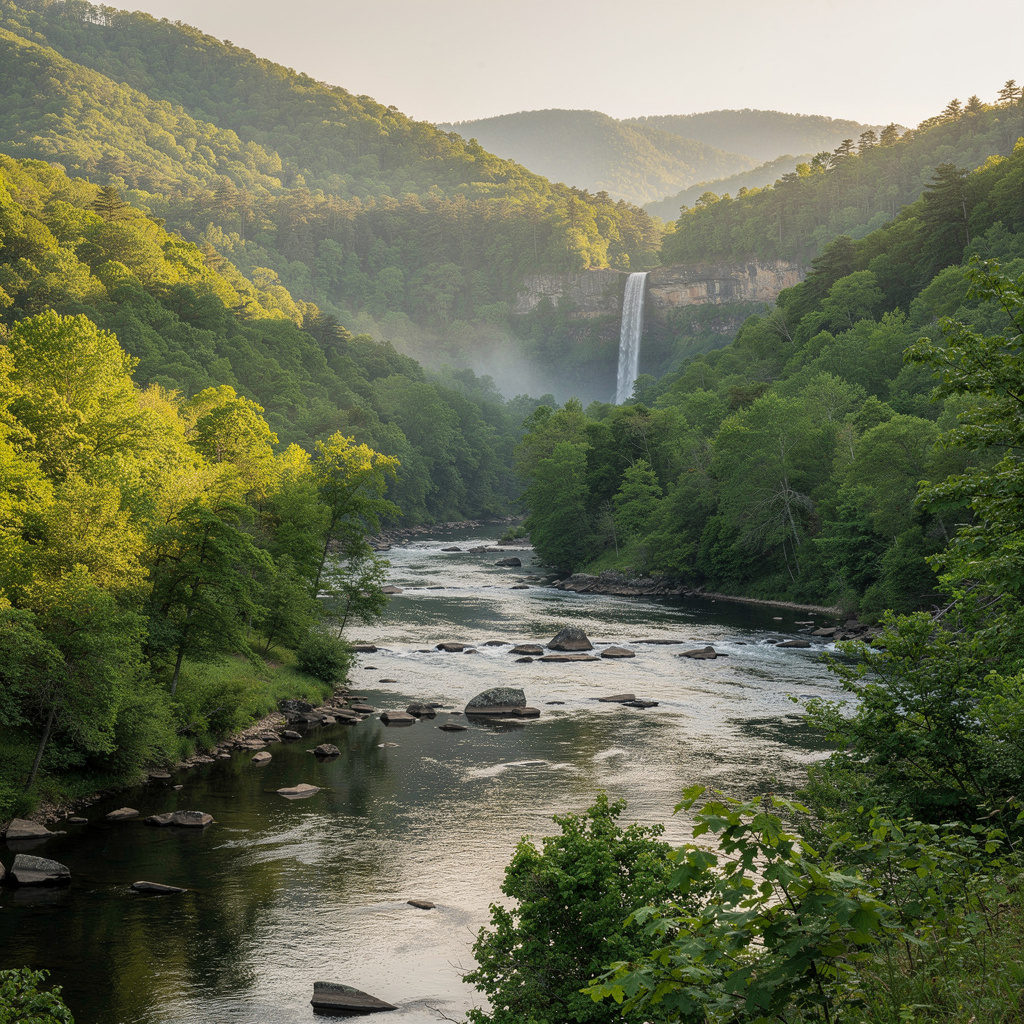
Day-to-day living is shaped heavily by the seasons. Spring brings vibrant greens and rushing water as snowmelt and rain feed rivers and waterfalls. Summer weekends might revolve around cool morning hikes, river activities, or relaxed afternoons in the shade. In autumn, leaf color transforms the region, while winter offers quieter forests, crisp air, and the occasional dusting of snow that changes the landscape without typically bringing long, harsh conditions.
For those used to constant entertainment options, the shift can feel like a reset. Instead of basing plans around big events or crowded venues, people tend to create their own rituals: weekly hikes, regular meetups with friends, or simple evenings on the porch watching the clouds roll across the ridges. In that slower, more intentional rhythm, many find exactly what they were seeking when they first imagined living between waterfalls and work.
Making a Thoughtful Move with Local Guidance
Turning a relocation dream into a workable plan is much easier with someone on the ground who understands both the lifestyle and the logistics. At Looking Glass Realty, agents like Jake Tibstra draw on a client-first approach that starts with listening—understanding what you need from your home, your work, and your everyday routine. That information becomes the foundation of a strategy instead of a generic property search.
Jake's background in sales and marketing is especially useful when weighing trade-offs between different homes and neighborhoods. He can help you read between the lines of listings, think ahead about resale value, and focus on properties that align with your long-term goals in the Brevard, North Carolina market. Instead of simply reacting to what appears online, you can move through the process with clear criteria and confidence.
A thoughtful relocation often includes several steps: an exploratory visit to experience the area in different weather, conversations about timing and budget, and a realistic timeline for selling your current home if needed. Many buyers appreciate having someone local who can preview properties, share honest feedback, and coordinate details when they can't be in town. That kind of follow-through and relationship-building turns a big life change into a series of manageable decisions.
Ultimately, living in Pisgah Forest means designing a life where waterfalls, forests, and mountain views are part of your normal week—not just vacation postcards. By combining practical planning with local expertise, you can find a home and a rhythm of life that align with both your career and your love of the outdoors. When work and wild places can coexist so closely, the question becomes not whether you should make the move—but when.